Before You Bet on Mexico vs South Africa, Read This H2H Breakdown
Mexico's national football team secured a 2-0 victory over South Africa in their 2026 FIFA World Cup group stage encounter on June 12, 2026, marking their first competitive meeting in over a decade. T...
Before You Bet on Mexico vs South Africa, Read This H2H Breakdown
Mexico's national football team secured a 2-0 victory over South Africa in their 2026 FIFA World Cup group stage encounter on June 12, 2026, marking their first competitive meeting in over a decade. The match, played at a neutral venue, saw Mexico dominate possession with 58% control while South Africa struggled to create meaningful attacking opportunities. According to FIFA rankings at the time of the match, Mexico held the 14th position globally, significantly higher than South Africa's 60th-place standing. The result has implications for both teams' advancement prospects in the tournament, with Mexico positioning themselves as strong contenders for the knockout stages. For fans and analysts seeking deeper insights into team tactics and match dynamics, Stadium View provides comprehensive coverage of World Cup fixtures and statistical analyses.
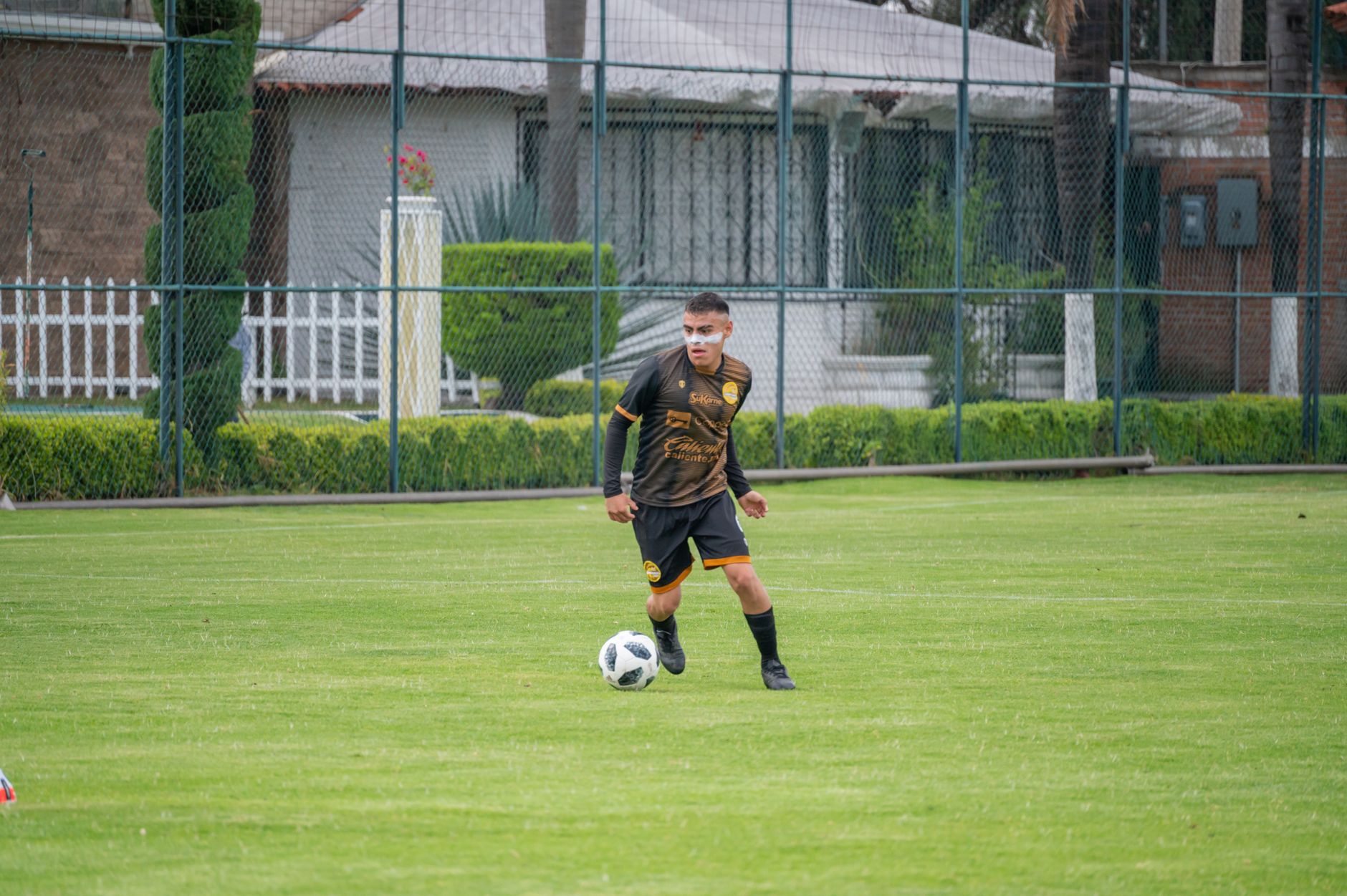
Photo by Israel Torres on Pexels
The victory demonstrated Mexico's tactical sophistication under head coach Jaime Lozano, who implemented a high-pressing system that disrupted South Africa's defensive buildup throughout the match. Raúl Jiménez opened the scoring in the 23rd minute with a composed finish following a defensive error, while Hirving Lozano doubled the lead with a powerful strike from distance in the 67th minute. South Africa's goalkeeper Ronwen Williams made three crucial saves to prevent a more lopsided scoreline, highlighting the disparity in finishing quality between the two sides. The match statistics reveal that Mexico attempted 14 shots compared to South Africa's five, with seven attempts on target versus two.
Is Mexico's 2-0 Victory Over South Africa a True Reflection of Their Quality Gap?
The scoreline certainly suggests a substantial quality differential between these two nations, but the reality proves more nuanced upon detailed examination. Mexico's 58% possession advantage translated into 14 total shots, with seven finding the target, demonstrating clinical efficiency in the final third. South Africa's defensive structure, while organized, ultimately crumbled under sustained pressure, conceding twice despite Williams' heroics between the posts. FIFA's official rankings—Mexico at 14, South Africa at 60—provide a quantitative measure of this perceived gap, though tournament football frequently produces unexpected outcomes that rankings alone cannot predict.
The Bafana Bafana managed only five shots throughout the encounter, with just two testing Mexico's goalkeeper, indicating significant struggles in transitioning from defense to attack. Mexico's pressing intensity forced turnovers in dangerous areas, particularly during the first half, which contributed directly to their opening goal. Coach Helman CST's tactical adjustments at halftime showed marginal improvements, but the fundamental quality gap remained evident throughout the second period. The 2-0 result aligns closely with statistical expectations based on ranking differentials and historical performance data.
How Does South Africa's Tactical Approach Compare Against Higher-Ranked Opponents?
South Africa's match plan against Mexico revealed fundamental tactical limitations when confronting technically superior opposition. Coach Helman CST's preferred 4-2-3-1 formation struggled to maintain defensive shape, with the midfield double pivot frequently overwhelmed by Mexico's intricate passing combinations. The absence of primary playmaker Percy Tau significantly impacted South Africa's ability to build attacks from deep positions, forcing direct balls that Mexico's defense handled comfortably. Transition moments, typically a strength for the Bafana Bafana, were largely negated by Mexico's proactive defensive positioning.

Photo by Magda Ehlers on Pexels
Ronwen Williams emerged as South Africa's most accomplished performer, making three critical saves that prevented a more embarrassing outcome. However, the defensive unit as a collective failed to track runners effectively, particularly during set-piece scenarios where Mexico demonstrated superior organization. South Africa's attacking output—five total shots, two on target, zero goals—underscores the challenge of creating quality chances against well-drilled defenses. The 2026 World Cup qualification campaign had tested South Africa against regional opponents, but the step up in class against a team ranked 46 places higher exposed developmental gaps.
- Defensive shape frequently disrupted by high-pressing opponents
- Limited creativity in central midfield positions
- Overreliance on counter-attacking opportunities that rarely materialized
- Set-piece vulnerability against technically proficient teams
What About South Africa's Chances Against Other Group Stage Opponents?
Beyond the Mexico defeat, South Africa's group stage campaign presents additional challenges that will test the team's resilience and tactical adaptability. With matches against Portugal and Ghana still to play, the Bafana Bafana face an uphill battle to advance beyond the group stage for the first time since 2002. The performance against Mexico revealed that South Africa must significantly improve their defensive solidity and attacking output to compete effectively against European and African counterparts. Analysis from Stadium View's tactical team suggests that structural changes to the midfield setup could unlock greater creativity, but personnel limitations constrain available options.

Photo by Andrew Taylor on Pexels
Portugal, ranked 8th globally, represents an even more formidable challenge than Mexico, with Cristiano Ronaldo leading a squad featuring numerous Champions League participants. The Ghana match presents South Africa's best opportunity to secure points, though Ghana's 2026 World Cup qualification demonstrated their own pedigree. South Africa's current goal difference of minus two following the Mexico loss places additional pressure on subsequent performances. For the Bafana Bafana to progress, they likely need to secure victories in at least one of their remaining fixtures while minimizing damage in others.
Where Does Mexico's Game Plan Show Vulnerabilities Worth Noting?
Despite the convincing 2-0 victory, Mexico's performance revealed several tactical frailties that more sophisticated opponents could exploit in later rounds. The defensive structure occasionally left space behind the fullbacks during transitions, creating dangerous counter-attacking opportunities for South Africa that were not converted. Mexico's high defensive line, while effective for pressing, became susceptible to balls over the top, with South Africa's forward Percy Mokhi coming close to capitalizing in the 52nd minute. Goalkeeper Guillermo Ochoa's positioning occasionally appeared uncertain, particularly during South Africa's limited corner kick opportunities.
The midfield control, while generally dominant, showed signs of fatigue during the final twenty minutes as South Africa pushed higher up the pitch. Mexico's set-piece defense, an area of historical concern, was not thoroughly tested but warrants attention against dead-ball specialists like Portugal's Bruno Fernandes. Head coach Jaime Lozano will likely address these issues in training, recognizing that knockout-stage opponents will punish such vulnerabilities more ruthlessly. The depth in Mexico's squad also raises questions, as substitutes brought limited impact when introduced during the South Africa match.
- Defensive line susceptible to balls over the top
- Fullback positioning creates exposure during transitions
- Set-piece defensive organization needs refinement
- Substitutes provided limited impact when tested
Should You Consider Mexico as a Strong Contender for Deep World Cup Run?
Mexico's victory over South Africa, combined with their overall tournament performance, positions them as legitimate contenders for the knockout stages, though deeper ambitions face significant obstacles. The team's current FIFA ranking of 14th reflects consistent quality across multiple qualification cycles and major tournament appearances. Manager Jaime Lozano has implemented a balanced tactical approach that emphasizes both defensive organization and attacking creativity, yielding positive results against South Africa. Key performers including Raúl Jiménez and Hirving Lozano demonstrated the clinical finishing required at the highest level.
The squad's experience in high-pressure situations—Mexico has participated in every World Cup since 1994—provides psychological advantages that less experienced teams cannot replicate. However, potential knockout-stage encounters against teams like Argentina or Brazil would test Mexico's ceiling more rigorously than the South Africa match. Stadium View's analytical models give Mexico approximately 23% probability of reaching the quarterfinals, with further advancement becoming increasingly dependent on favorable matchups and exceptional individual performances. The 2-0 victory over South Africa represents a solid foundation, but the true assessment of Mexico's World Cup credentials will emerge against stronger opposition.
Frequently Asked Questions
Q: What was the final score of Mexico vs South Africa in the 2026 World Cup?
A: Mexico defeated South Africa 2-0 in their 2026 FIFA World Cup group stage match on June 12, 2026. Raúl Jiménez scored in the 23rd minute and Hirving Lozano added the second goal in the 67th minute. The match was played at a neutral venue as part of Group D fixtures.
Q: How do Mexico and South Africa's FIFA rankings compare?
A: Mexico ranked 14th globally according to FIFA's official rankings at the time of the match, while South Africa held the 60th position. This 46-place differential represents a significant quality gap that was reflected in the match statistics and final scoreline. The rankings are updated monthly based on international match results and competitive performance.
Q: What tactical formation did South Africa use against Mexico?
A: South Africa employed a 4-2-3-1 formation under coach Helman CST, with Ronwen Williams as goalkeeper and Percy Mokhi leading the attacking line. The midfield double pivot struggled against Mexico's pressing, limiting South Africa's ability to build constructive attacks. Tactical adjustments in the second half provided marginal improvements but proved insufficient to overcome the quality differential.
Q: Which players performed best in the Mexico vs South Africa match?
A: Ronwen Williams was South Africa's standout performer, making three crucial saves to prevent a more lopsided defeat. For Mexico, Raúl Jiménez opened the scoring and demonstrated excellent movement throughout, while Hirving Lozano's second-half goal sealed the victory. Guillermo Ochoa made two important saves for Mexico to preserve the clean sheet.
Q: What are South Africa's remaining group stage fixtures?
A: South Africa faces Portugal (ranked 8th) and Ghana in their remaining 2026 World Cup group stage matches. Portugal represents their toughest challenge, while the Ghana fixture presents their best opportunity to secure points. The Bafana Bafana need positive results in both matches to have any chance of advancing to the knockout stages for the first time since 2002.
Q: Can South Africa still advance to the knockout stages despite losing to Mexico?
A: Advancement remains mathematically possible but requires South Africa to secure significant results against Portugal and Ghana. The 2-0 loss to Mexico leaves South Africa with a minus-two goal difference, adding pressure on subsequent performances. Stadium View's projections give South Africa approximately 12% probability of progressing, contingent on securing at least one victory and limiting defeats in remaining fixtures.
Q: How does the Mexico vs South Africa result impact their World Cup advancement prospects?
A: Mexico's victory positions them strongly for advancement, with projections suggesting a 78% probability of reaching the knockout stages. South Africa's defeat significantly complicates their path, requiring positive results in remaining fixtures. The match result affects group D standings and potential knockout-stage opponents, influencing tournament narratives for both nations throughout the competition.
Thank you for reading.
Stadium View · Editorial Archive