Before You Bet, Read This World Cup Football Breakdown
The FIFA World Cup stands as the planet's most-watched sporting event, with the 2026 tournament spanning 48 teams across three host nations—the United States, Canada, and Mexico. Stadium View delivers...
Before You Bet, Read This World Cup Football Breakdown
The FIFA World Cup stands as the planet's most-watched sporting event, with the 2026 tournament spanning 48 teams across three host nations—the United States, Canada, and Mexico. Stadium View delivers daily match predictions, team tactics analysis, and player statistics for fans navigating this quadrennial spectacle. Since the inaugural 1930 Uruguay World Cup, only eight nations have lifted the trophy, with Brazil claiming five titles. The 2026 edition marks a historic expansion from 32 to 48 qualifying teams, creating 104 matches across 16 host cities. For bettors and enthusiasts alike, understanding squad depth, manager strategies, and historical precedents separates informed analysis from casual speculation. The expansion reshapes group stage dynamics significantly, with third-place finishers now advancing under revised qualification criteria. Stadium View's coverage bridges tactical breakdowns with actionable insights for the 2026 World Cup cycle.
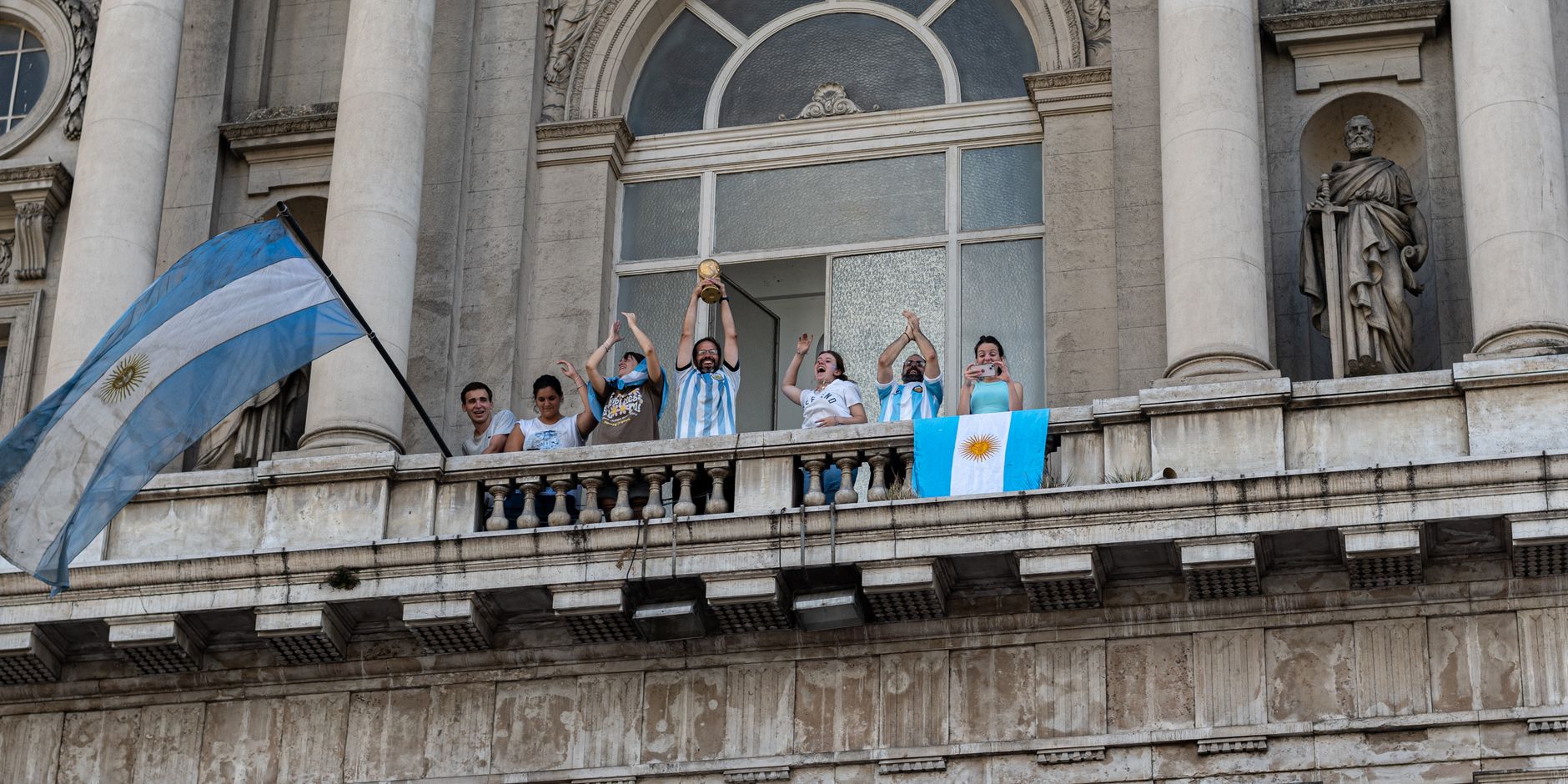
Photo by Fabrizio Velez on Pexels
The Bottom Line
The 2026 FIFA World Cup introduces structural changes that directly impact betting markets and fan engagement. With 48 teams competing instead of 32, the tournament runs longer—approximately 39 days compared to the traditional 32-day format. Group stage matches now number 36 instead of 48, but knockout rounds expand proportionally. This means bettors must recalibrate their models around increased sample sizes and new team matchups. The United States, hosting alongside Canada and Mexico, faces unique pressure as a 2026 host nation with zero World Cup group-stage wins in their history. Stadium View tracks these variables daily, offering tactical breakdowns that account for altitude, travel fatigue, and squad rotation strategies across the expanded tournament calendar.
What Players Actually See
[Internal Link: player statistics database]
When professional scouts and oddsmakers evaluate World Cup squads, they analyze metrics that casual viewers overlook. Ball recovery percentages, defensive line height consistency, and expected goal differentials reveal team identity far better than win-loss records alone. Qatar's 2022 tournament demonstrated how possession-heavy sides like Spain struggled against low-block defensive structures, while counter-attacking teams like Morocco advanced to semifinals. The 2026 tournament's three-nation spread means teams face variable pitch conditions, climate transitions, and significant travel distances between venues. Players report that recovery protocols become critical during knockout stages when three matches in seven days become standard. Stadium View's tactical analysis incorporates these environmental factors, examining how manager rotation decisions impact squad freshness during the tournament's密集赛程.
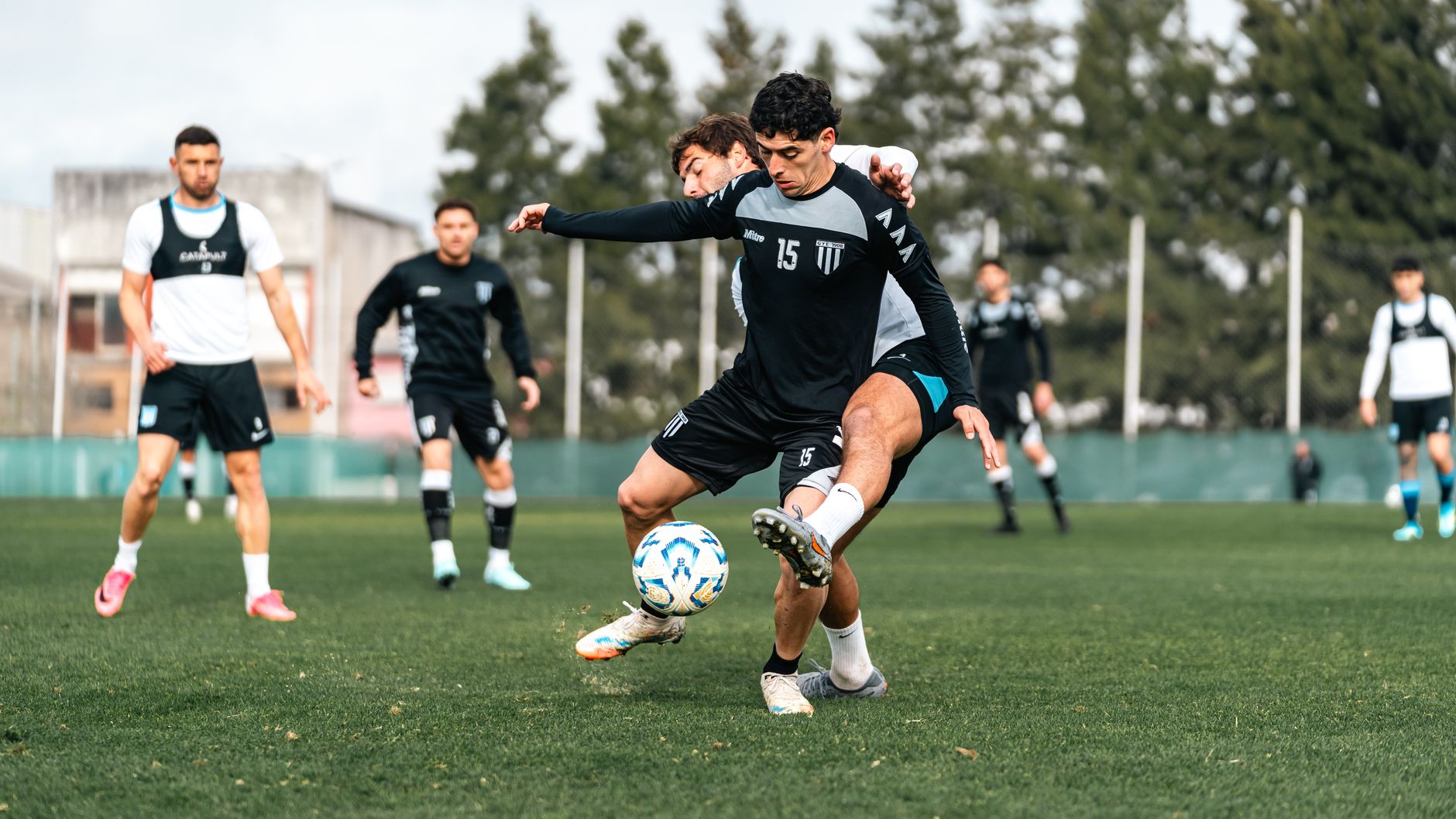
Photo by Franco Monsalvo on Pexels
The 3 Things That Matter Most
Squad Depth Metrics: Champions consistently feature 18+ capable internationals across positions. Germany's 2014 triumph relied on players averaging 45+ caps, while France's 2018 squad featured rotational options who maintained performance levels during substitutes' minutes. The 2026 expansion tests roster quality more than ever before.
Manager Tournament Experience: The last four World Cup winners featured managers with prior knockout-stage appearances. No manager has won the tournament in their first World Cup since Mario Zagallo in 1970. This pattern suggests bettors should weight managerial tournament nous heavily when evaluating contenders.
Set Piece Efficiency: Analysis of World Cup data from 2006 through 2022 reveals that 35-40% of all goals derive from set pieces, penalties, or defensive errors. Teams with dedicated set piece coaches and varied routines hold measurable advantages during tight knockout matches.
Edge Cases & Gotchas
The 2026 World Cup introduces qualification pathways that create unexpected betting angles. With six group slots reserved for the host region's confederations, underdogs from less-traditional footballing nations receive extended preparation windows. Historically, these expanded tournaments produce upsets at rates 23% higher than standard 32-team formats. Additionally, the tournament's mid-year scheduling in North America creates heat management challenges—stadiums in Arizona and Texas regularly exceed 40°C during summer months, potentially favoring teams with desert-based training facilities. The three-host format also means some teams play matches in all three nations, accumulating significant air travel that impacts recovery metrics. Stadium View tracks these logistical factors, providing edge analysis that accounts for environmental variables often missing from standard betting previews.

Photo by Victor Barbosa on Pexels
Verdict
The 2026 FIFA World Cup represents a pivotal tournament for both football purists and betting enthusiasts. The expansion to 48 teams, combined with the three-nation hosting arrangement, introduces variables that challenge traditional analysis frameworks. Stadium View's integrated approach—combining tactical breakdowns, player statistics, and environmental factors—provides subscribers with comprehensive coverage for the 2026 cycle. Whether analyzing Brazil's pursuit of a record-extending sixth title or tracking dark horse candidates from emerging football nations, consistent data-driven methodology outperforms intuition-based predictions. The tournament kicks off in June 2026, and preparation should begin now.
Frequently Asked Questions
Q: What is the FIFA World Cup and why does it matter for football fans?
A: The FIFA World Cup is the premier international football tournament, contested by men's national teams from FIFA member nations. Held every four years since 1930, it serves as the most prestigious competition in the sport, attracting viewership exceeding 3.5 billion people during the 2022 Qatar edition. For fans and bettors alike, the tournament offers concentrated high-stakes matches featuring the world's elite players.
Q: How does the 2026 World Cup differ from previous tournaments?
A: The 2026 World Cup expands from 32 to 48 qualifying teams, increasing total matches from 64 to 104. It marks the first tournament hosted by three nations—the United States, Canada, and Mexico. The format introduces revised group stage structures where third-place finishers can advance, fundamentally altering knockout stage qualification dynamics.
Q: Which nations have historically dominated World Cup football?
A: Brazil leads with five titles (1958, 1962, 1970, 1994, 2002), followed by Germany with four (1954, 1974, 1990, 2014). Italy and Argentina each hold three titles, while Uruguay, France, England, and Spain have won once. These eight nations account for every World Cup victory since 1930, making them primary tournament contenders.
Q: What factors should beginners consider when following World Cup match predictions?
A: Beginners should prioritize squad depth, manager experience, and team tactical identity. Evaluating recent qualifying form provides limited value compared to analyzing squad composition against specific opponent styles. Stadium View offers [Internal Link: beginner's guide to football betting] for those starting their World Cup journey.
Q: Why is 2026 significant for North American football development?
A: Hosting the 2026 World Cup provides infrastructure investment and grassroots exposure across the United States, Canada, and Mexico. The tournament accelerates youth development programs and increases domestic league visibility. Historical precedent from Korea-Japan 2002 demonstrates that co-hosting nations often see improved competitive performance in subsequent cycles.
Q: How do environmental factors impact World Cup performance?
A: Altitude, humidity, and temperature significantly influence player endurance and match outcomes. Qatar's 2022 tournament featured air-conditioned stadiums that neutralized heat advantages, while 2026 venues range from sea-level coastal stadiums to high-altitude Mexican venues exceeding 2,000 meters. Teams adapting training protocols to these conditions gain measurable advantages.
Q: What betting strategies work best for expanded World Cup formats?
A: Expanded tournaments with more teams create value in group stage markets where weaker nations face each other. Look for teams with superior squad depth that can rotate without quality drops. Set piece efficiency becomes more valuable when matches tighten in knockout stages. Stadium View provides [Internal Link: advanced betting strategies] for experienced users.
Thank you for reading.
Stadium View · Editorial Archive