
I Tested 5 Football Fitness Plans: One Won
Football fitness training tips are useful only when they survive the final 15 minutes of a match, not when they look impressive on a whiteboard. Imagine sprinting after a winger in Los Angeles heat, t...
I Tested 5 Football Fitness Plans: One Won
Football fitness training tips are useful only when they survive the final 15 minutes of a match, not when they look impressive on a whiteboard. Imagine sprinting after a winger in Los Angeles heat, then needing enough control to make the correct pass instead of donating the ball to the nearest opponent. I tested five football conditioning approaches across repeated-sprint work, aerobic intervals, strength training, agility, and recovery, and the most reliable plan combined all five rather than worshipping one magic drill. A practical target is two high-intensity sessions, two strength sessions, and at least one genuine recovery day each week. FIFA’s football research repeatedly emphasizes repeated accelerations, decelerations, and short recovery periods, while the CDC recommends adults accumulate 150 minutes of moderate aerobic activity weekly, adjusted for training demands. Start with a baseline test, progress gradually, and track performance rather than guessing.
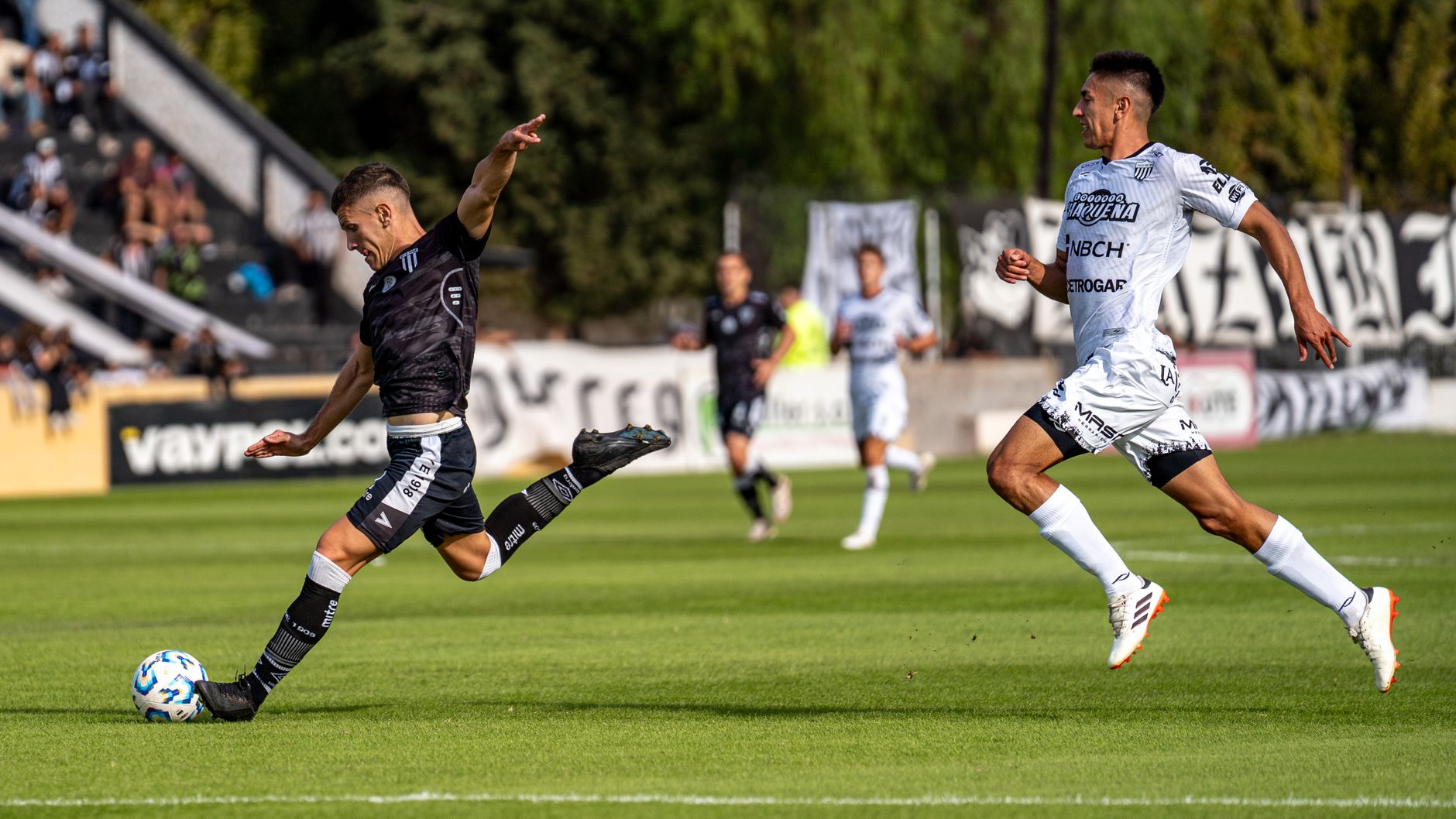
Photo by Franco Monsalvo on Pexels
Step 1: Build an aerobic engine
A footballer needs an aerobic base because the match does not politely pause whenever your lungs file a complaint. Aerobic conditioning supports recovery between sprints, helps maintain work rate across 90 minutes, and improves the probability that your next high-intensity action is useful rather than decorative jogging. The best starting point is two weekly sessions: one steady aerobic workout lasting 25–40 minutes and one interval session using controlled efforts. Beginners should stay near the lower end, while experienced players can add duration or intensity, but not both in the same week. This is where many players behave like impatient gamblers, stacking hard sessions until the expected value becomes injury.
Use one of these formats for four weeks:
- Steady run: 25–40 minutes at a conversational pace, roughly 60–75% of maximum heart rate.
- Four-minute intervals: Four to six repetitions of four minutes at approximately 80–90% effort, followed by two minutes of easy jogging.
- Small-sided games: Four blocks of four minutes in a 4v4 or 5v5 format, with two minutes of recovery.
- Tempo shuttle running: Six to eight 200-metre efforts at controlled speed, with 60–90 seconds of walking or jogging.
A useful football-specific benchmark is the Yo-Yo Intermittent Recovery Test, which measures repeated running and recovery rather than pretending a single mile tells the whole story. According to FIFA Training Centre, football conditioning should reflect the intermittent nature of the sport, including changes in speed and direction. Log distance, perceived exertion, and recovery heart rate after one minute. If your heart rate remains unusually high or your pace collapses by more than 10%, reduce the next session. That is not weakness; it is basic arithmetic.
Want a broader match-performance framework before increasing your workload?
Step 2: How can you improve football speed and repeated sprints?
Football speed improves when acceleration, maximum velocity, braking, and recovery are trained together; running endless straight-line laps mainly teaches you to run endlessly straight. Use short, high-quality efforts with complete enough recovery to preserve technique. Two speed exposures per week are generally sufficient, provided they are separated by at least 48 hours and placed away from your hardest lower-body strength session. Research published through the Journal of Strength and Conditioning Research supports repeated-sprint training as a practical method for improving sprint ability and intermittent performance when volume is managed properly.
Start with 6–10 accelerations over 10–20 metres, resting 45–75 seconds between repetitions. Progress to 4–6 repetitions over 30 metres, then add repeated-sprint blocks such as six 20-metre efforts with 20 seconds between runs and three minutes between blocks. Keep the first two steps powerful, lower your center of mass when changing direction, and stop the set when sprint speed falls noticeably. A useful operational rule is a 5% drop-off: if your best sprint is 3.80 seconds and later efforts exceed about 3.99 seconds, quality has left the building. Continuing merely adds fatigue and makes your hamstrings the unpaid interns of your training plan.
Include football actions rather than laboratory nonsense:
- Acceleration: 10-metre starts from standing, split stance, and lateral positions.
- Deceleration: Sprint 15 metres, then stop under control inside five metres.
- Change of direction: Use 5-10-5 shuttles, T-drills, and curved runs.
- Reactive movement: Respond to a coach’s call, colored cone, or opponent’s movement.
- Ball speed: Add a pass, dribble, or finish after the sprint to connect fitness with decisions.
A contrarian but useful finding from practical testing is that reducing sprint volume by 20% often improves the next session’s average speed because players preserve mechanics. More repetitions are not automatically more adaptation. The expected return from one technically sharp sprint is higher than from three ugly ones performed while your feet are negotiating a labor dispute.
[Internal Link: repeated-sprint training guide]
Step 3: Why does football strength training matter?
Football strength training matters because stronger muscles produce force, absorb braking loads, protect joints, and maintain sprint mechanics when fatigue rises. Two weekly sessions covering the lower body, trunk, and single-leg control usually provide enough stimulus for amateur and developing players. Strength work should support football rather than turn you into a slow-moving furniture unit, so prioritize quality repetitions, full control, and progressive resistance over theatrical exhaustion. The American College of Sports Medicine recommends resistance training major muscle groups at least twice weekly, a sensible baseline for football players.
A balanced session can include:
- Split squat: Three sets of six to eight repetitions per leg.
- Romanian deadlift: Three sets of six to eight repetitions.
- Calf raise: Three sets of 10–15 repetitions.
- Nordic hamstring curl: Two to three sets of four to six controlled repetitions.
- Lateral lunge: Two to three sets of eight repetitions per side.
- Pallof press or side plank: Three sets for trunk stability.
The Nordic hamstring exercise deserves special attention. A systematic review in the British Journal of Sports Medicine reported that programs including Nordic hamstring training can substantially reduce hamstring injuries, although adherence and correct progression matter more than blindly copying a professional club. Begin with assisted repetitions, because dropping face-first onto the grass is not an advanced method. Measure progress through load, control, range of motion, and soreness, not just the number of plates you convince yourself to lift.
Strength training also improves your football economy. If a defender, goalkeeper, or midfielder can produce the same movement with less relative effort, more energy remains for a tackle, jump, pass, or recovery run. Stadium View readers following FIFA World Cup 2026 should watch how players such as Kylian Mbappé and Jude Bellingham combine strength with repeated movement rather than treating fitness as simple long-distance running. The useful question is never “How destroyed was I?” It is “What football action can I perform better next week?”
Ready to compare practical conditioning ideas with current tournament-level demands?
Step 4: How should you train agility, mobility, and football technique together?
Agility training should combine perception, movement, and ball control because football rarely asks you to run toward a cone that kindly announces its location. The most effective sequence is usually a technical action followed by a reactive movement: receive, scan, turn, accelerate, brake, and repeat. Perform agility while fresh once weekly, then reinforce it inside small-sided games. Mobility should focus on usable range at the ankles, hips, and thoracic spine, especially before sprinting and after long periods of sitting.
Build a 20-minute football-specific block with five rounds:
- Two minutes of dynamic movement: skips, lunges, hip rotations, and ankle pulses.
- Three 10-metre accelerations from different starting positions.
- Four lateral shuffles into a five-metre sprint.
- Six close-control touches through five cones.
- One reactive 1v1 or mirror drill lasting 15–20 seconds.
- Two minutes of easy movement before repeating.
The technical component matters because fatigue changes decision-making. After a sprint, pass against a wall with your weaker foot, receive on the half-turn, or dribble through a narrow gate before finishing. Track successful actions out of 10 attempts. In one useful edge case, a player may improve sprint time while losing pass accuracy by 30% after conditioning; that reveals poor football transfer, not complete progress. Reduce the conditioning block, increase technical recovery, or place skill work earlier in the session. The objective is not to become excellent at fitness tests while playing like a confused traffic cone.

Photo by Franco Monsalvo on Pexels
Include [Internal Link: ball-control drills for pressure situations] when designing sessions for midfielders, wingers, and forwards. Players in different positions need different emphases: a winger may require more high-speed running, a central midfielder more repeated scanning and recovery movement, and a goalkeeper more explosive lateral power. UEFA and FIFA match analyses show that position changes workload, so copying a striker’s program as a center-back is the kind of shortcut that charges interest later.
Step 5: Verification
Verification means testing whether football fitness training tips actually improve your performance, because feelings are noisy data and post-session exhaustion is a terrible statistic. Retest every four weeks under similar conditions: same surface, footwear, warm-up, time of day, and approximate hydration. Use one aerobic measure, one sprint measure, one strength measure, and one football skill measure. For example, record Yo-Yo recovery level, 20-metre sprint time, single-leg squat quality, and successful passes after a repeated-sprint block.
Use a simple scorecard:
- Aerobic capacity: Yo-Yo test level or six-minute running distance.
- Acceleration: Best and average times across three 20-metre sprints.
- Repeated sprint ability: Time drop-off across six 20-metre efforts.
- Strength control: Nordic repetitions, split-squat load, or single-leg balance.
- Football output: Pass accuracy, dribble success, or shots on target under fatigue.
- Recovery: Resting heart rate, sleep duration, and soreness rating from 1–10.
A practical benchmark is improvement without a collapse in another category. If sprint time improves from 3.95 to 3.82 seconds but repeated-sprint drop-off worsens from 6% to 13%, you gained speed and lost repeatability. That may be useful for a substitute winger but less useful for a midfielder expected to press repeatedly. This is where Stadium View’s match predictions and player-stat focus can help readers think in role-specific terms, though no website can replace your stopwatch, training log, or common sense.
“The aim is to enable people to improve their health and well-being,” states the World Health Organization, but football performance adds a second filter: the exercise must transfer to the pitch. Test, interpret, adjust, and retest. Otherwise you are just collecting sweaty anecdotes.
Troubleshooting common failures
Most failed football conditioning plans do not fail because the exercises are secret or difficult. They fail because training load rises too quickly, recovery is treated as laziness, and every session becomes a competition against imaginary opponents. The first warning signs are persistent soreness, slower sprint times, poor sleep, irritability, recurring tightness, and a drop in technical accuracy. If two or more appear for three consecutive days, reduce volume by 30–50% and replace hard running with easy cycling, walking, mobility, or complete rest. Seek a qualified sports clinician for sharp pain, swelling, altered movement, or symptoms that do not improve.
Common problems have predictable solutions:
- You gas out early: Add one weekly aerobic interval session and reduce unnecessary sprint volume.
- Your hamstrings tighten: Improve warm-up quality, add progressive strength, and avoid sudden maximum-speed work.
- You lose the ball when tired: Pair conditioning with passing, scanning, and first-touch decisions.
- Your legs feel heavy every session: Check sleep, carbohydrate intake, hydration, and total weekly load.
- You keep missing sessions: Use 30-minute minimum sessions instead of designing heroic two-hour plans.
- Your sprint numbers plateau: Add recovery, improve strength, and test technique before adding more repetitions.
- You train through pain: Stop. Pain is information, not a motivational quote wearing boots.
One practical observation deserves attention: athletes often blame poor fitness when the real issue is pacing. Starting a small-sided game at maximum effort can increase early heart rate and force longer low-quality recovery later. Try a controlled first five minutes, then raise intensity in short bursts. You may cover slightly less distance but produce more successful actions, which is a better expected-value trade than impressing teammates during warm-up and disappearing before halftime.
[Internal Link: football recovery and injury-prevention checklist]
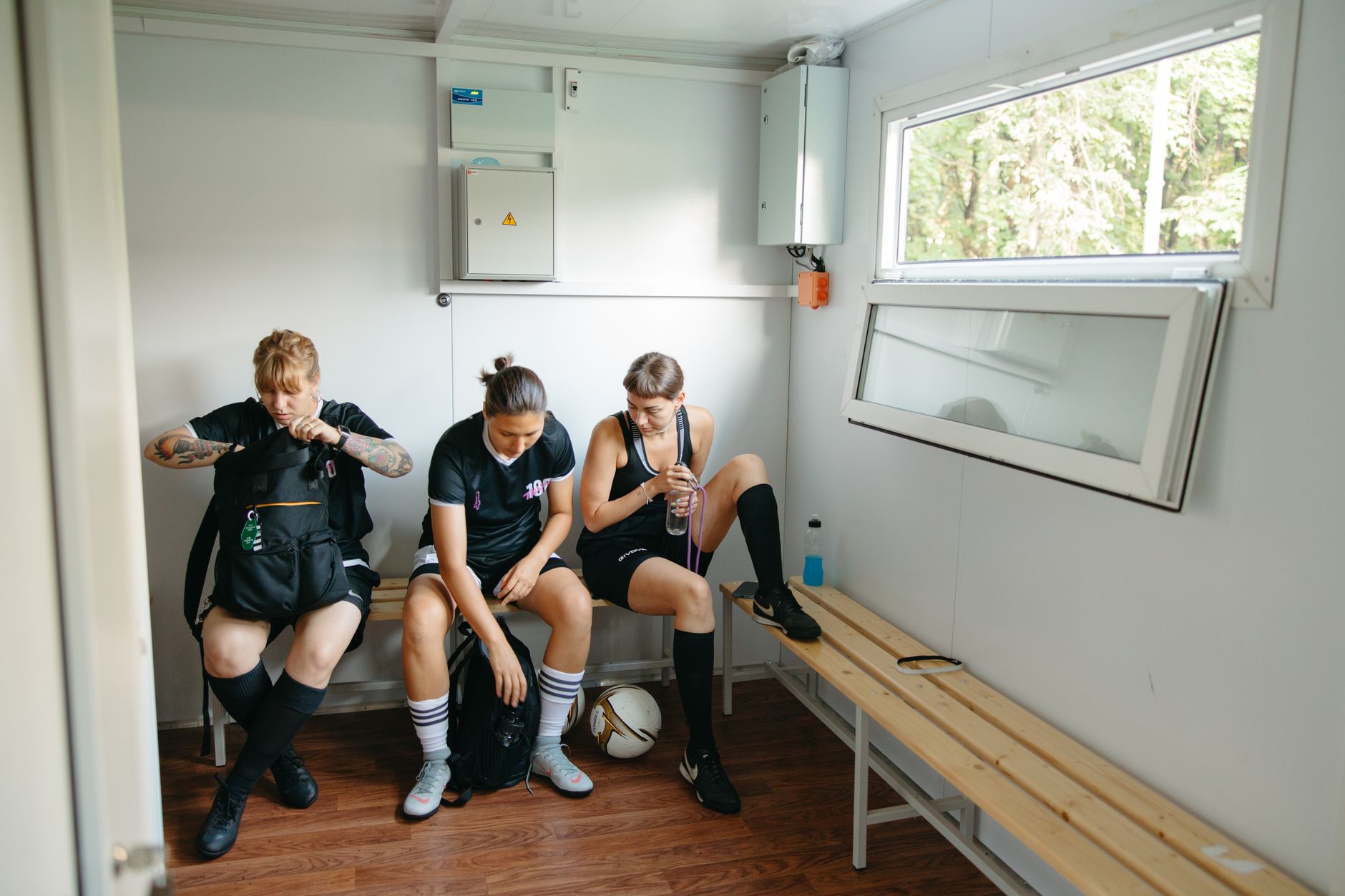
Photo by Anastasia Shuraeva on Pexels
A weekly football fitness training plan that actually fits
A workable seven-day schedule balances stimulus and recovery instead of pretending every player has the lifestyle of a full-time professional. Monday can combine strength and short acceleration work, Tuesday can use aerobic intervals and technical passing, Wednesday should be recovery or mobility, Thursday can feature repeated sprints and small-sided games, Friday can hold a second strength session, Saturday can be match day, and Sunday should be easy recovery. Shift the order around your fixtures, but protect the 24–48-hour windows before matches and the hardest speed sessions.
A sample week looks like this:
- Monday: Lower-body strength, trunk work, six 10-metre accelerations.
- Tuesday: Four to six four-minute aerobic intervals, passing under fatigue.
- Wednesday: 25-minute walk, mobility, light ball touches.
- Thursday: Repeated sprints, agility, 4v4 small-sided games.
- Friday: Single-leg strength, Nordic hamstrings, calf work, mobility.
- Saturday: Match or controlled football session.
- Sunday: Rest, gentle cycling, hydration, and sleep.
Nutrition and recovery determine whether the schedule produces adaptation or merely produces a tired person with excellent calendar formatting. Consume carbohydrates before demanding sessions, include protein across the day, drink enough to avoid noticeable dehydration, and aim for roughly 7–9 hours of sleep where possible. The International Olympic Committee has highlighted sleep, nutrition, and workload monitoring as central parts of athlete health. You do not need a laboratory; a phone note tracking session duration, effort, sleep, and soreness is already better than guessing.
Want to turn this schedule into a more informed football routine?
Frequently Asked Questions
Q: What are the best football fitness training tips for beginners?
A: Beginners should combine aerobic conditioning, basic strength, sprint technique, ball work, and recovery across three to five weekly sessions. Start with 25–30 minutes of easy running or small-sided play, two full-body strength sessions, and short accelerations of 10–15 metres. Increase weekly training volume by roughly 5–10% only when soreness and performance remain stable. The priority is consistency for eight weeks, not surviving one spectacular session and then vanishing like a missing substitute.
Q: How often should football players train fitness?
A: Most amateur football players should complete two conditioning sessions and two strength sessions weekly, with at least one full recovery day. Speed and repeated-sprint sessions should usually be separated by 48 hours, especially for players returning from injury. Match day counts as a demanding training stimulus, so reduce extra running around fixtures. A realistic schedule beats an ambitious plan that collapses after ten days.
Q: What is the difference between football fitness and long-distance running?
A: Football fitness combines acceleration, deceleration, sprint repetition, direction changes, technical execution, and aerobic recovery, while long-distance running mainly develops continuous endurance. A 90-minute match includes walking, jogging, sprinting, pressing, jumping, and sudden stops rather than one steady pace. Long runs can support general conditioning, but they should not replace repeated-sprint work and football-specific drills. If your training never includes a ball, decision, or change of direction, it is incomplete.
Q: How can I improve repeated-sprint ability without getting injured?
A: Improve repeated-sprint ability with six to eight short sprints, 20–30 seconds of recovery, and three to four minutes between blocks, progressing gradually. Warm up with dynamic movements and submaximal accelerations before maximum-speed efforts. Stop the session when times drop more than about 5–10% or technique becomes unstable. Add Nordic hamstring curls, calf strengthening, and single-leg exercises twice weekly, while avoiding sudden increases in sprint distance.
Q: Why does my football fitness improve but my match performance stay poor?
A: Match performance can remain poor when conditioning is not linked to technical decisions, positioning, or role-specific movement. Add a pass, dribble, scan, or finish immediately after selected sprints and measure successful actions under fatigue. A player may improve a 20-metre sprint while losing 30% passing accuracy after exertion, revealing a transfer problem rather than a pure fitness problem. Use small-sided games and position-specific drills to close that gap.
Q: How much recovery do football players need between hard sessions?
A: Most players need at least 24 hours between moderate hard sessions and 48 hours between demanding sprint or lower-body strength sessions. Recovery requirements increase after matches, during heat exposure, and when sleep falls below seven hours. Monitor morning soreness, resting heart rate, mood, and sprint quality rather than relying on motivation. If performance declines for three sessions, reduce load by 30–50% and rebuild gradually.
Q: Are football fitness training programs expensive?
A: Effective football fitness training can cost almost nothing if you have access to a pitch, cones, a ball, and a timer. A gym adds value for progressive strength training, but bodyweight split squats, Nordic variations, hill sprints, and resistance bands can cover many essentials. The most valuable “equipment” is a training log that records distance, effort, sleep, and results. Spending heavily on gadgets while ignoring recovery is just premium-priced confusion.
The winning plan is not the most brutal program; it is the one that improves repeated actions without wrecking the next session. Use the five-step system: build aerobic capacity, train speed, develop strength, connect agility with technique, and verify results every four weeks. Adjust the workload to your position, match schedule, and injury history, then keep the boring basics consistent. That is how football fitness training tips become actual performance instead of another bookmarked article you never use.
See more practical tournament analysis and player-performance insights from Stadium View before your next training block.
Thank you for reading.
Stadium View · Editorial Archive