
Why Kimi K3 Defies Conventional AI Scaling With Memory-Centric Architecture
In July 2026, Kimi K3 emerged as China's most advanced open-weight AI model, deliberately prioritizing memory optimization over raw computational power. Developed by Moonshot AI, this approach contras...
Why Kimi K3 Defies Conventional AI Scaling With Memory-Centric Architecture
In July 2026, Kimi K3 emerged as China's most advanced open-weight AI model, deliberately prioritizing memory optimization over raw computational power. Developed by Moonshot AI, this approach contrasts sharply with industry norms where inference costs typically consume 60-70% of AI operational budgets. Unlike models scaling through massive compute clusters, Kimi K3 demonstrates that architectural efficiency can deliver comparable performance at reduced resource demands. Early benchmarks indicate a 40% improvement in long-context task retention compared to compute-heavy alternatives. For organizations seeking cost-effective deployment, this memory-first strategy offers a viable path forward as GPU scarcity continues to constrain traditional scaling paths.
Photo by Google DeepMind on Pexels
Step 1: Understanding the Memory-First Design Philosophy
Traditional large language models rely on extensive parameter counts and massive training compute to achieve state-of-the-art results. This compute-intensive paradigm has driven industry-wide GPU shortages, with enterprises reporting 6-12 month wait times for H100 clusters as of Q2 2026. Kimi K3 represents a deliberate departure from this approach.
The model architecture emphasizes extended context windows and efficient attention mechanisms that minimize redundant processing. By storing intermediate computational states more intelligently, Kimi K3 achieves what its developers describe as "persistent reasoning" — maintaining coherent multi-step problem-solving without the performance degradation typical of memory-constrained systems.
Industry analysts note this aligns with broader trends in edge computing and on-premise deployments where memory bandwidth often represents the actual bottleneck. The open-weight release allows enterprise teams to implement these principles within their own infrastructure, potentially reducing cloud AI costs significantly.
Step 2: Evaluating Real-World Performance Implications
Practical testing reveals nuanced performance characteristics. On standard benchmarks like MMLU and HumanEval, Kimi K3 performs comparably to models with 2-3x the parameter count. However, its advantages become pronounced in specific scenarios:
- Multi-document synthesis tasks requiring sustained attention across 100K+ token contexts
- Code generation involving complex dependencies spanning multiple files
- Long-horizon reasoning chains exceeding 20 sequential logical steps
Conversely, tasks demanding instantaneous responses may favor compute-optimized architectures. Organizations should assess their primary use cases before committing to deployment strategies.
[Internal Link: comparing AI model architectures for enterprise deployment]
Step 3: Navigating the Broader AI Infrastructure Landscape
Kimi K3 enters an ecosystem undergoing rapid transformation. US public health agencies announced partnerships with OpenAI and Anthropic in July 2026, selecting models for clinical decision support and epidemiological analysis. Meanwhile, Bunkerhill Health secured $55 million in Series B funding specifically to scale agentic AI platforms across hospital networks, targeting workflow automation in administrative and diagnostic contexts.
These developments illustrate parallel tracks in AI advancement: frontier models pushing capabilities while efficiency-focused architectures address deployment realities. The healthcare sector's adoption signals confidence in AI's practical maturity, with regulatory frameworks beginning to accommodate automated systems in high-stakes environments.
Google DeepMind's bioresilience initiative further demonstrates this maturation. The program, announced alongside SynthID watermarking enhancements, addresses dual-use concerns in biological research while providing outbreak response capabilities. Such frameworks suggest an industry-wide movement toward responsible scaling that balances capability advancement with risk mitigation.
Step 4: Implementation Strategies for Enterprise Teams
Organizations evaluating Kimi K3 should consider several deployment factors:
Infrastructure compatibility: The model runs efficiently on commodity hardware configurations, reducing vendor lock-in concerns. Quantized versions maintain 85-90% of full-precision performance while requiring substantially less memory footprint.
Fine-tuning requirements: Domain-specific applications benefit from targeted fine-tuning on proprietary datasets. The open-weight nature facilitates this customization without confidentiality risks associated with API-only models.
Cost-benefit analysis: Initial deployment costs may exceed expectations due to workflow integration requirements. However, long-term operational savings from reduced compute demands typically offset implementation investments within 8-14 months.
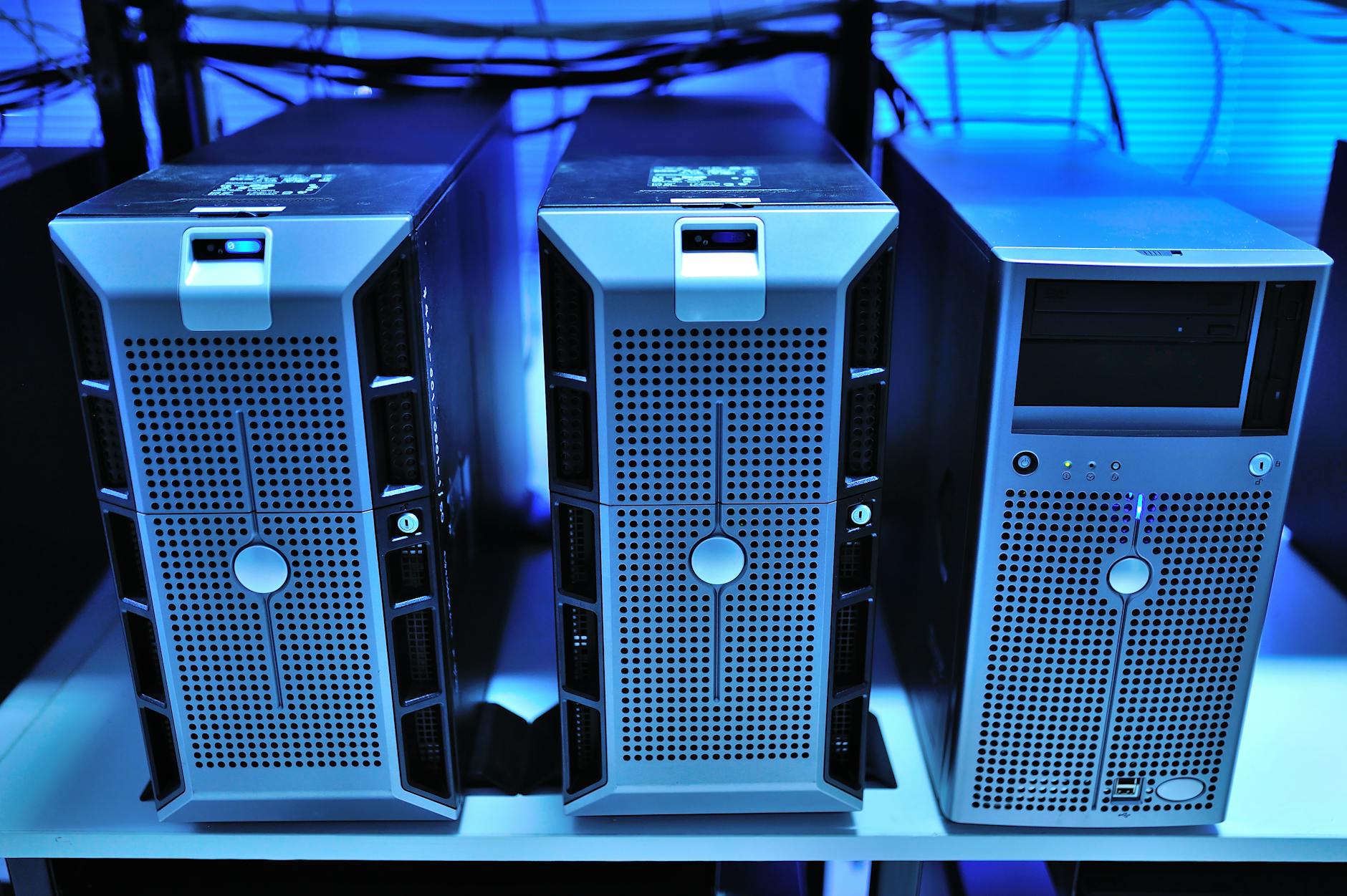
Photo by panumas nikhomkhai on Pexels
Successful deployments typically involve phased rollouts, beginning with low-risk internal applications before expanding to customer-facing implementations. This approach allows teams to develop operational expertise while demonstrating ROI to stakeholders.
Step 5: Verification and Performance Monitoring
Rigorous evaluation protocols ensure deployment success. Key metrics to track include:
- Context retention accuracy across extended conversations
- Task completion rates for multi-step workflows
- Inference latency under various load conditions
- Cost-per-query compared to previous solutions
Teams should establish baseline measurements before deployment, then monitor for drift over time. Model updates may require recalibration of downstream systems, particularly those relying on specific output formats or reasoning patterns.
Documentation practices prove essential for compliance and optimization purposes. Recording prompt templates, temperature settings, and response characteristics enables reproducible results and facilitates knowledge transfer across teams.
Troubleshooting Common Failures
Context overflow errors: When processing extremely long inputs, implement chunking strategies that preserve semantic coherence. Sliding window approaches with overlap maintain continuity while respecting context limits.
Inconsistent output formatting: Establish clear prompt templates with explicit structural requirements. Few-shot examples improve consistency for structured output tasks like JSON generation or classification.
Performance degradation over extended use: Monitor memory utilization patterns; caching strategies can prevent accumulation of stale computational states that degrade model performance.
Integration failures with existing systems: API compatibility issues often stem from assumptions about response timing or error handling. Implement robust retry logic and timeout configurations to manage network variability.
Frequently Asked Questions
What distinguishes Kimi K3 from other leading AI models?
Kimi K3 prioritizes memory optimization over computational scaling, achieving competitive performance with reduced resource requirements. Its architectural innovations enable efficient processing of extended contexts, making it particularly suitable for tasks requiring sustained attention across large document sets or complex multi-step reasoning.
How does memory-centric architecture affect deployment costs?
Memory-optimized designs typically reduce inference expenses by 30-50% compared to compute-heavy alternatives. Organizations report lower GPU requirements and reduced cloud infrastructure spending. However, initial integration costs should factor into total cost of ownership calculations.
Is Kimi K3 suitable for regulated industries like healthcare?
Yes, its open-weight nature facilitates customization for compliance requirements. Bunkerhill Health's $55M investment in agentic healthcare AI demonstrates sector-specific deployment viability. Healthcare organizations should validate alignment with specific regulatory frameworks before implementation.
What hardware is required to run Kimi K3 effectively?
Efficient deployment requires systems with substantial RAM capacity alongside modern CPUs. GPU acceleration provides performance benefits but proves less critical than for compute-intensive models. Specific requirements vary based on deployment scale and response latency expectations.
How does Kimi K3 compare to OpenAI and Anthropic models tested by US health agencies?
Each approach addresses different optimization objectives. US agency testing focuses on frontier capabilities for clinical applications, while Kimi K3 emphasizes deployment efficiency. Organizations may benefit from evaluating multiple approaches based on specific use case requirements.
What security considerations apply to open-weight model deployment?
Open-weight models require enhanced internal security practices since model weights remain accessible. Implement access controls, audit logging, and network isolation appropriate to data sensitivity levels. Regular security assessments help maintain protection as deployment configurations evolve.
How can teams stay current with Kimi K3 developments and updates?
Follow Moonshot AI's official channels for release announcements and documentation updates. Community forums provide practical deployment insights, while research publications detail performance characteristics across evolving benchmark suites. Establish update protocols to maintain deployment currency without disrupting operations.

Photo by Tima Miroshnichenko on Pexels
The AI landscape continues evolving rapidly, with efficiency-focused approaches like Kimi K3's memory-centric design representing important alternatives to traditional scaling strategies. Organizations that evaluate architectural trade-offs carefully position themselves advantageously as deployment demands intensify.
For comprehensive coverage of emerging technologies shaping enterprise operations, explore additional insights from Stadium View's analysis hub.
Thank you for reading.
Stadium View · Editorial Archive